A strong credit score unlocks better loan terms, lower interest rates, and faster approvals. Whether you’re rebuilding after a setback or starting fresh, knowing how to improve your credit score is one of the most impactful financial decisions you can make. FatakPay (RBI-registered | FACE member | ISO 27001 certified) breaks it down step by step.
Quick Answer: You can improve your credit score by paying EMIs on time, keeping credit utilisation below 30%, avoiding multiple loan applications, and checking your credit report for errors regularly. Most improvements are visible within 3-6 months.
What Is a Credit Score and Why Does It Matter?
A credit score is a three-digit number between 300 and 900 that reflects your creditworthiness, calculated by credit bureaus like TransUnion CIBIL based on your repayment history, outstanding balances, and credit profile. A score of 750+ is considered strong by most banks and financial institutions. To learn more, read our detailed guide on what is a CIBIL score.
Your credit score directly determines whether a lender approves your loan application, what interest rate you receive, and how much credit limit you are offered. A low score can lead to rejections or higher rates on personal loans and home loans. Knowing how to improve credit score and acting on it, is the difference between a rejected application and an offer with competitive terms.
Once your score crosses 700, you can apply for a FatakPay Instant Personal Loan, disbursed in 7 minutes, no salary slip needed.
Key Factors That Impact Your CIBIL Score
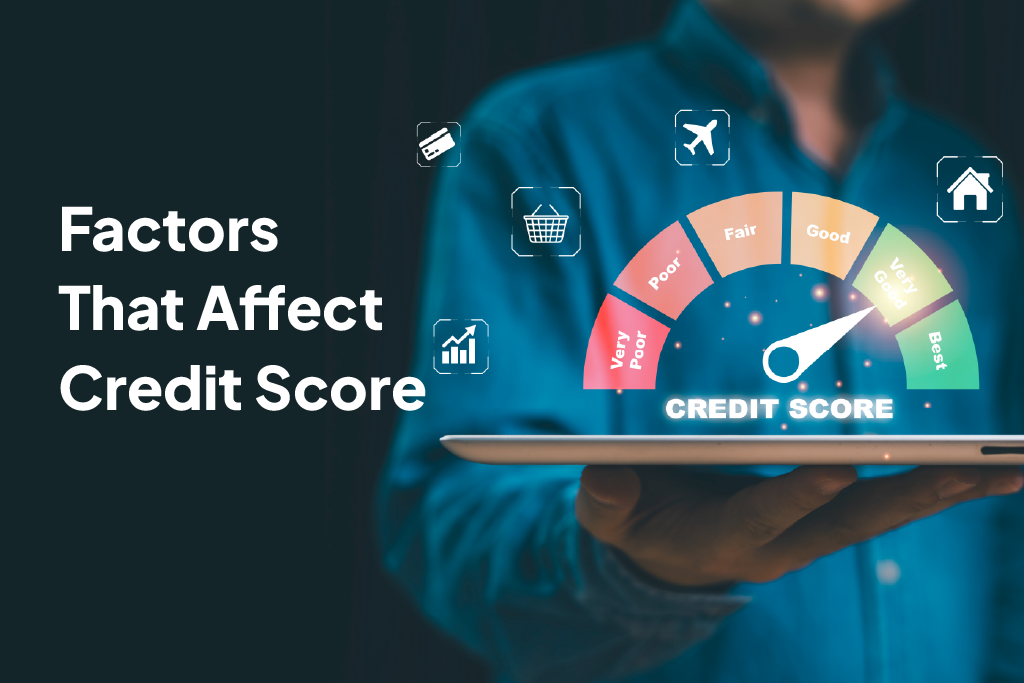
Understanding how to improve CIBIL score is the first step. Here are the factors with the highest influence, followed by the ways to increase credit score:
Payment History – 30% Weightage
Timely EMI and credit card payments are the single biggest driver of your CIBIL score. One missed payment can drop your score by 50–100 points.
Credit Utilisation Ratio – 25% Weightage
Using more than 30% of your combined credit limit signals credit stress. Keeping balances low is one of the fastest ways to increase your CIBIL score.
Credit Type & Duration – 25% Weightage
A longer credit history and a healthy mix of secured and unsecured credit accounts strengthen your credit profile.
New Credit Inquiries – 20% Weightage
Multiple loan applications in a short window trigger hard inquiries that cumulatively reduce your score.
Steps to Improve Your Credit Score Fast
Follow these proven steps to increase credit score, each step is actionable within your current credit accounts:
Step 1: Pay every EMI and credit card bill on time
Payment history carries 30% weightage in how to improve credit score calculations. Set auto-pay mandates for every EMI and pay credit card bills in full before the due date, not just the minimum amount. Even one missed payment creates a negative mark that takes 12-24 months to recover from fully.
Step 2: Keep your credit utilisation below 30%
If your combined credit limit is ₹1,00,000, keep your outstanding balance under ₹30,000 at all times. This is the 30% credit utilisation threshold that credit bureaus treat as the safe zone. If you regularly exceed it, request a credit limit increase from your bank, this immediately lowers your utilisation ratio without requiring you to spend less.
Step 3: Do not close your oldest credit account
The length of your credit history contributes 25% to your CIBIL score. Closing your oldest credit card or loan account shortens your average credit age and can drop your score by 20-50 points. Keep old accounts open even if you rarely use them.
Step 4: Avoid multiple loan applications at once
Every time a lender pulls your credit report, a hard inquiry is logged. Multiple applications within 30-60 days signal financial stress and compound the score reduction. Space out applications by at least 3-6 months. If you’re comparing loan offers, use soft inquiry-based eligibility checkers rather than full applications.
Step 5: Check your CIBIL report for errors and dispute them
Errors in your CIBIL report, incorrect payment statuses, accounts you didn’t open, or wrong personal information, can unfairly drag your score down. As per the RBI 2024 mandate, CIBIL updates credit data every 15 days, so disputed corrections reflect quickly. Check your CIBIL report at least once every three months and raise disputes directly with TransUnion CIBIL for any inaccuracies.
Step 6: Add a secured credit card or credit-builder product
If you have a thin credit file or low score, a secured credit card (backed by a fixed deposit) or a credit builder product lets you improve credit score methodically. Each on-time repayment is reported to credit bureaus and helps strengthen your credit profile over time.
How Long Does It Take to Improve Your CIBIL Score?
This is the most common question borrowers have when learning how to increase CIBIL score. The honest answer: it depends on what’s dragging your score down.
For errors or reporting mistakes; once you raise a dispute and the correction is approved, CIBIL’s 15-day update cycle means your score can improve within 2-4 weeks.
For high credit utilisation; paying down balances reflects in the next billing cycle, typically within 30-45 days of the lender submitting updated data.
For missed payment history; negative marks from missed EMIs remain on your CIBIL report for up to 7 years, but their impact reduces over time as you build a clean repayment record on top of them. Consistent on-time payments for 6–12 months are typically enough to see meaningful score improvement.
There are no shortcuts to improve credit score sustainably, but with disciplined habits, most borrowers see a 50-100 point improvement within 3-6 months of following the steps above.
FAQs on How to Improve Credit Score
What Is the Fastest Way to Improve My CIBIL Score?
The fastest ways to increase your CIBIL score are: clearing overdue payments immediately, reducing your credit card outstanding to below 30% of your limit, and disputing any errors in your CIBIL report. Utilisation and error fixes can reflect within 15-30 days; payment history recovery takes 3-6 months.
Does Checking My Own CIBIL Score Affect It?
No. Checking your own score is a soft inquiry and has zero impact on your CIBIL score, no matter how often you check. Only hard inquiries, triggered when a lender pulls your report for a loan or credit card application, can reduce your score (by 5–10 points per check).
Will Closing a Credit Card Improve My Credit Score?
Usually not and it often hurts. Closing a credit card reduces your total available credit limit, which increases your utilisation ratio. If it’s your oldest card, it also shortens your credit history. Both effects can lower your score. Keep old cards open and use them lightly unless they carry a fee that outweighs the benefit.
How Many Points Does a Missed EMI Reduce My Credit Score?
A single missed EMI can reduce your CIBIL score by 50-100 points, depending on how strong your score was before the miss. The higher your score, the steeper the drop. Consecutive missed payments cause cumulative damage and recovery requires 12-24 months of consistent on-time repayments to fully offset.
Can I Improve My Credit Score Without a Credit Card?
Yes. How to increase credit score without a credit card: take a small personal loan and repay every EMI on time, use a credit-builder product, or ensure any existing loan accounts have a spotless repayment history. Payment history and credit mix, not credit cards specifically, are what the score algorithm rewards.
Score improving? Once you cross 650, apply for a FatakPay instant personal loan up to ₹5 Lakh, disbursed in 7 minutes. No salary slip, no branch visit, 24×7.
| Instant Loans by Amount | |||
|---|---|---|---|
| ₹1500 Instant Loan | ₹2500 Instant Loan | ₹5000 Instant Loan | ₹10000 Instant Loan |
| ₹12500 Instant Loan | ₹15000 Instant Loan | ₹17500 Instant Loan | ₹20000 Instant Loan |
Explore our latest Credit Score blogs for expert insights, financial tips, and guidance to help you make informed borrowing decisions.