Loan insurance is a financial protection cover that helps repay your outstanding loan during emergencies such as death, disability, critical illness, or job loss. It is generally suitable for home loan borrowers, sole earning family members, and individuals with long-tenure loans or limited emergency savings. In India, loan insurance is not mandatory, and RBI guidelines do not allow lenders to force borrowers to purchase insurance from a specific insurer. Common types of loan insurance include credit life insurance, disability cover, critical illness cover, and job loss protection. While loan insurance can help reduce financial burden during difficult situations, some borrowers may also consider regular term insurance plans, which often provide broader coverage at a lower cost.
Unexpected situations like medical emergencies, disability, or sudden income loss can make loan repayment difficult. Loan insurance helps protect borrowers and their families by covering the outstanding loan amount during financial emergencies, reducing financial stress during uncertain times.
What does Loan insurance mean?
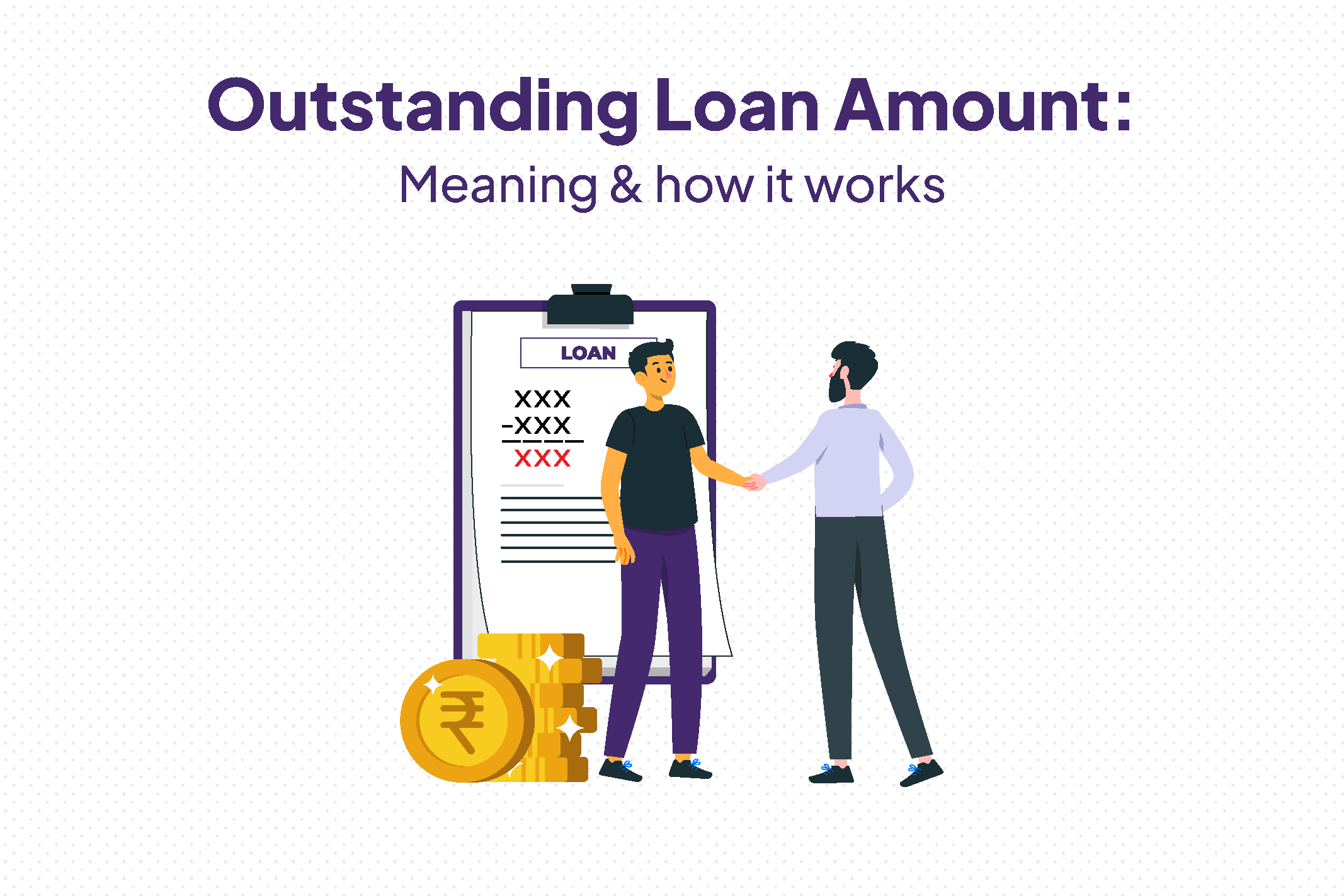
Loan insurance meaning loan protection insurance, is a policy that helps repay your outstanding loan if something unexpected happens to you. Depending on the policy, the insurer may cover the remaining loan amount in case of death, disability, critical illness, or even temporary job loss.
In simple terms, it is the financial protection for borrowers and their families. Instead of passing the repayment burden to your family, the insurance company settles the outstanding amount with the lender.
Many banks offer loan insurance while approving home loans, car loans, or personal loans. However, borrowers should always check the policy terms, exclusions, and premium structure carefully before purchasing it.
Types of loan insurance in India
Different types of loans in India often have different insurance covers associated with them. The types of loan insurance you choose usually depends on the nature of the loan, the loan amount, and the level of financial protection required. Some of the most common types of loan insurance in India include:
Credit life insurance
This is the most common type of loan insurance. If the borrower dies during the loan tenure, the insurer repays the outstanding amount directly to the lender. Credit life insurance is widely used for home loans and large personal loans.
Credit disability insurance
Credit disability insurance covers EMIs if the borrower becomes permanently disabled and cannot continue earning. This type of loan insurance helps reduce financial stress during long recovery periods.
Critical illness loan cover
Critical illness loan cover helps borrowers manage loan repayment if they are diagnosed with serious illnesses such as cancer, heart disease, or kidney failure. Some policies provide a lump-sum payout, while others directly cover EMIs.
Job loss loan insurance
Job loss loan insurance temporarily covers EMIs if the borrower loses employment due to layoffs or company closure. However, this coverage usually comes with strict conditions and waiting periods.
Reducing cover loan insurance
A reducing cover plan works similarly to a reducing balance home loan. As your outstanding loan decreases over time, the insurance coverage also reduces. This is commonly used in long-tenure home loans.
How does loan insurance work?
Many borrowers ask, “how does loan insurance work?” The process is quite simple.
- You purchase a loan insurance policy while taking the loan.
- The insurance premium may be paid upfront or added to your loan amount.
- During the loan tenure, the policy remains active.
- If a covered event occurs, such as death, disability, or critical illness, the insurer reviews the claim.
- Once approved, the insurer pays the outstanding loan amount or EMIs as per policy terms.
The exact coverage depends on the policy type. Some loan insurance plans only cover death, while others include disability or job loss benefits.
Before purchasing any loan insurance policy, always review:
- Coverage inclusions
- Waiting periods
- Claim conditions
- Exclusions
- Premium cost
This helps avoid confusion during claim settlement.
Is loan insurance mandatory in India?
No, loan insurance is not mandatory in India. RBI prohibits banks and lenders from forcing borrowers to purchase insurance from a specific insurer.
You are free to:
- Choose your own insurer
- Compare different policies
- Decline the insurance if you already have sufficient coverage
If your bank adds the insurance to your loan amount without proper consent, you can raise a complaint through the Banking Ombudsman platform. Loan protection insurance India regulations are designed to ensure transparency and fair borrower practices.
Apply for Personal Loan with Transparent Charges
When you apply for a personal loan, it is important to understand every charge associated with the loan. FatakPay follows a transparent pricing approach and does not bundle mandatory loan insurance with its personal loans. Borrowers can review all applicable charges upfront and choose insurance separately based on their financial needs. This helps you make informed borrowing decisions without hidden costs or unnecessary add-ons.
Do You Actually Need Loan Insurance?
The benefits of loan insurance depend on your financial situation, family responsibilities, and existing insurance coverage. If you are planning a personal loan foreclosure or expect to repay the loan well before the end of the tenure, the insurance cost may outweigh the benefit, particularly when the premium is paid upfront and offers limited refunds on early closure.
You should consider loan insurance if:
- Your home loan exceeds ₹30 lakhs
- You are the sole earning member in the family
- You do not have an adequate term insurance plan
- Your personal loan exceeds ₹5 lakhs with a long repayment tenure
- You do not have strong emergency savings
You may skip loan insurance if:
- You already have a large term insurance policy
- Your personal loan is below ₹2 lakhs with a short tenure, as a term plan may be cheaper
- You can comfortably manage repayment through savings
- Your employer already provides adequate coverage
FAQs on loan insurance
Is loan protection insurance mandatory in India?
No. Loan protection insurance is not mandatory in India. RBI guidelines prevent lenders from forcing borrowers to buy insurance from a specific company.
What is the difference between loan insurance and term insurance?
Loan insurance only covers the outstanding loan amount, while term insurance provides broader financial protection to your family with a fixed payout.
Does loan insurance cover job loss?
Some loan insurance policies include job loss coverage, but it usually applies only to salaried employees and comes with conditions.
How much does loan insurance cost in India?
The cost depends on factors such as loan amount, age, policy type, and tenure. Premiums may be paid separately or added to the loan.
Can I cancel loan insurance after taking it?
Yes, many insurers allow cancellation within the free-look period. However, refund rules depend on the insurer and policy terms.
| Personal Loans by City | ||||
|---|---|---|---|---|
| Personal Loan Bengaluru | Personal Loan Thane | Personal Loan Mumbai | Personal Loan Hyderabad | |
| Personal Loan Pune | Personal Loan Surat | Personal Loan Coimbatore | Personal Loan Delhi | |
| Personal Loans by Amount | ₹60,000 Personal Loan | ₹3 Lakh Personal Loan | ₹5 Lakh Personal Loan |
|---|