

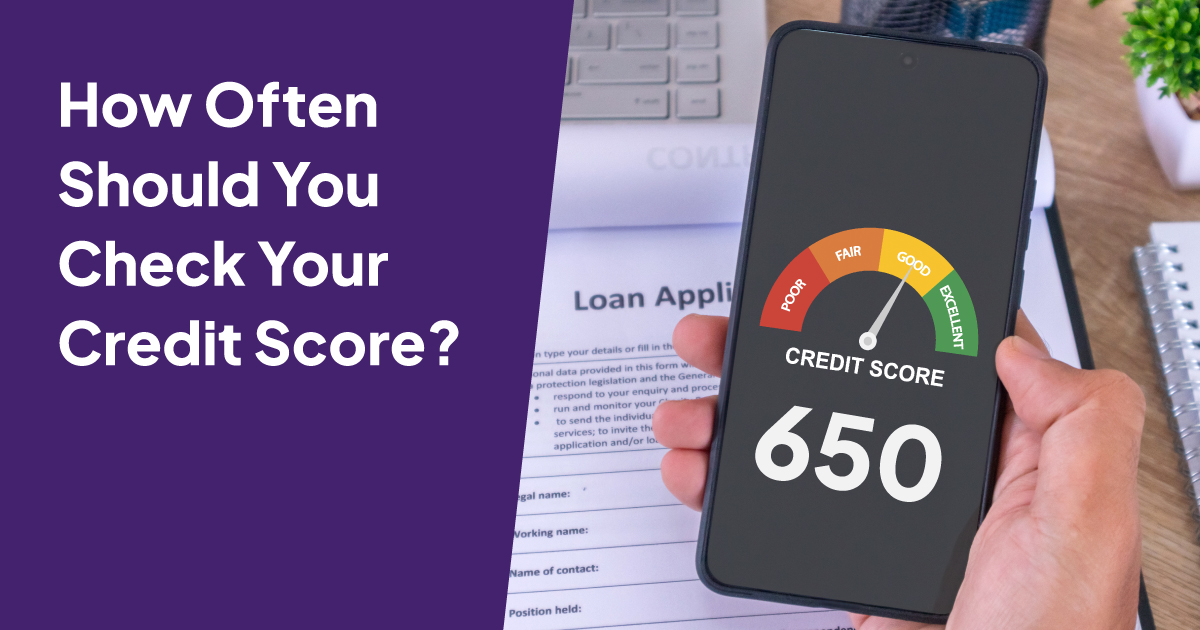
Checking your credit score regularly helps you understand your credit health before applying for a loan or credit card. If…
A credit score plays a critical role in deciding your loan approvals, interest rates, and overall financial credibility.
FatakPay’s credit score blogs help you understand how credit scores work, what impacts them, and how to improve your score through smart borrowing and timely repayments.
Checking your credit score regularly helps you understand your credit health before applying for a loan or credit card. If…
Many people avoid checking their credit score because they believe it might lower it. This is one of the most…
Common CIBIL report errors include incorrect personal details, closed loans showing as active, wrong outstanding balances, duplicate loan accounts, inaccurate…
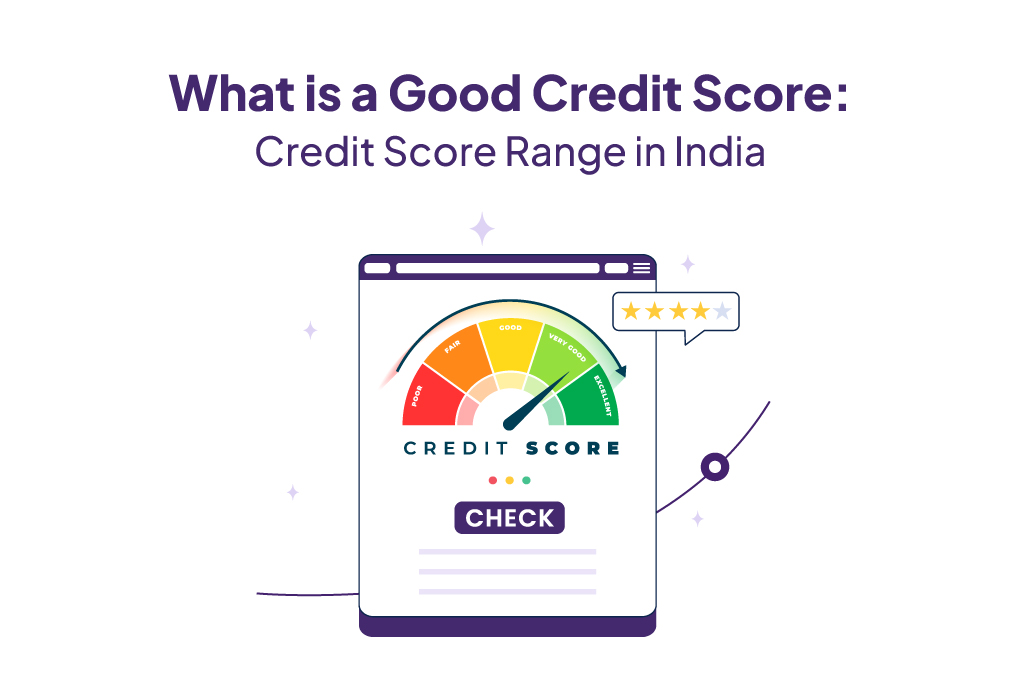
Your CIBIL score range determines whether you get approved for a loan, what interest rate you pay, and how fast funds reach you.…

Before you apply for a personal loan, lenders check your CIBIL score and the number you have determines whether you’re…
If you’ve applied for a loan or credit card in India, you’ve heard about your CIBIL score. However, most borrowers…
A poor or low CIBIL score doesn’t have to hold you back for months. If you act strategically today, how to improve your…
Credit score myths can cost you real money, leading borrowers to avoid actions that help their score and repeat habits that…
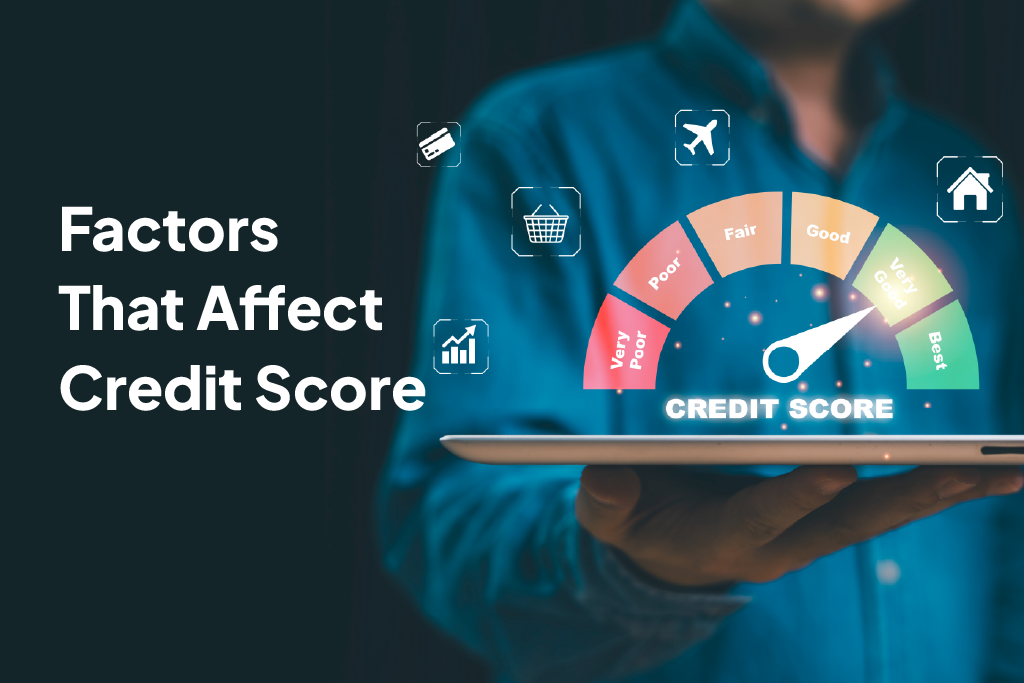
Your CIBIL score doesn’t move randomly, every change traces back to a specific behaviour or event in your credit history. Knowing the factors affecting your credit score puts…
What is a credit score?
A credit score is a three-digit number that reflects your creditworthiness based on past repayment behaviour.
Why is a credit score important?
A higher credit score improves loan approval chances and helps you get better interest rates.
What affects a credit score?
Payment history, credit utilisation, loan mix, credit age, and recent enquiries impact your score.
How can I improve my credit score?
Timely repayments, low credit usage, and disciplined borrowing help improve your credit score.
Does checking my credit score reduce it?
No, checking your own credit score is considered a soft enquiry and does not affect your score.
How often should I check my credit score?
It is recommended to check your credit score regularly to monitor changes and detect errors early.