

Introduction Ready to take your first loan? rejected not because you cannot repay, but simply because you have never borrowed it before. This…

A credit score plays a critical role in deciding your loan approvals, interest rates, and overall financial credibility.
FatakPay’s credit score blogs help you understand how credit scores work, what impacts them, and how to improve your score through smart borrowing and timely repayments.
Introduction Ready to take your first loan? rejected not because you cannot repay, but simply because you have never borrowed it before. This…

Introduction A personal loan is not just a source of emergency funding but can also help strengthen your credit profile…

Introduction Many borrowers choose to repay their loans before the scheduled tenure to save on interest costs and reduce their…
Introduction Many borrowers are surprised to find that their credit scores are not identical across India’s four credit bureaus. It…
Your credit score says a lot about how you manage money, and lenders often use it as a point of…
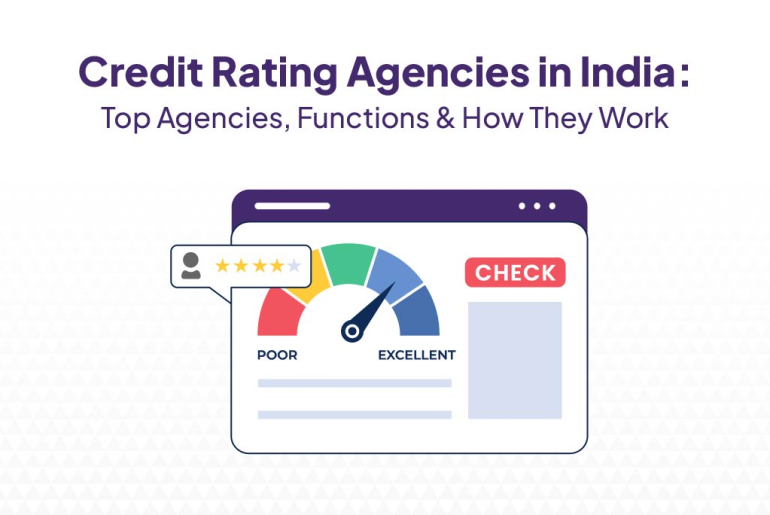
When you apply for a loan, lenders do not just take your word for it. They look at ratings assigned…
Your credit score plays a crucial role in shaping your financial opportunities, as it is one of the primary factors…
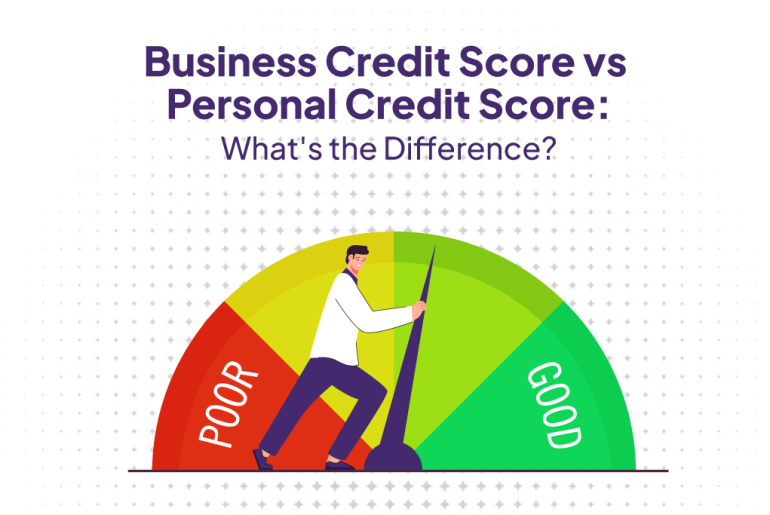
Whether you’re applying for a personal loan or seeking funding for your business, your credit score plays a crucial role in the lender’s…
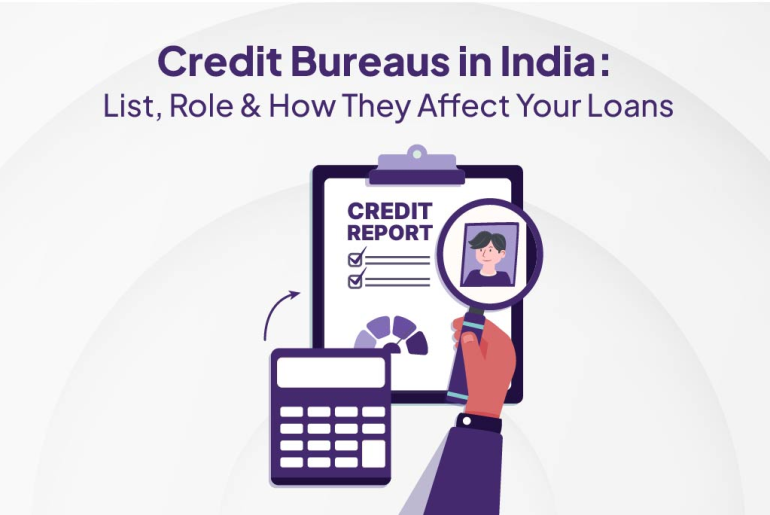
Whenever you apply for a loan or credit card, lenders review your credit history before making a decision. This information comes…
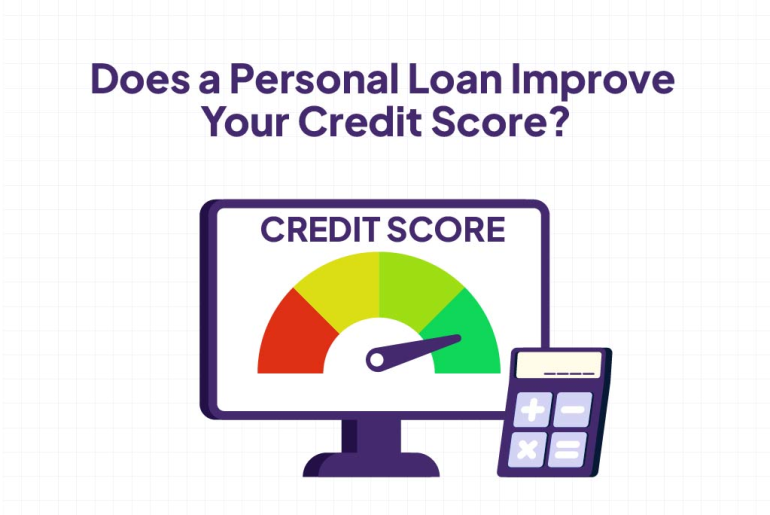
A personal loan can be more than just a source of emergency funds as it can also influence your credit…
What is a credit score?
A credit score is a three-digit number that reflects your creditworthiness based on past repayment behaviour.
Why is a credit score important?
A higher credit score improves loan approval chances and helps you get better interest rates.
What affects a credit score?
Payment history, credit utilisation, loan mix, credit age, and recent enquiries impact your score.
How can I improve my credit score?
Timely repayments, low credit usage, and disciplined borrowing help improve your credit score.
Does checking my credit score reduce it?
No, checking your own credit score is considered a soft enquiry and does not affect your score.
How often should I check my credit score?
It is recommended to check your credit score regularly to monitor changes and detect errors early.