Introduction
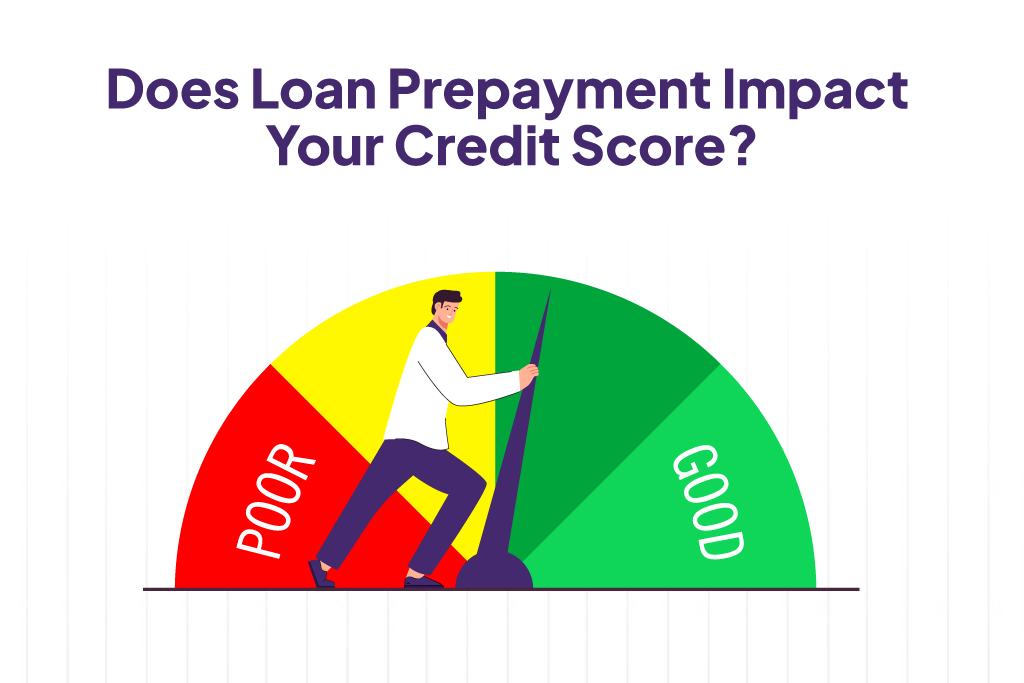
Many borrowers choose to repay their loans before the scheduled tenure to save on interest costs and reduce their overall financial burden. By doing so, they can significantly cut down the total interest paid over the life of the loan and achieve financial freedom sooner. However, a common concern among borrowers is whether paying off a loan early improves or harms their credit score. While prepayment may seem like a financially sound decision, its impact on your credit profile can vary depending on factors such as your credit history, existing accounts, and how the lender reports the closure. Understanding how loan prepayment impacts your credit score helps you make smarter financial decisions, balance debt repayment with credit health, and maintain a strong and stable credit profile over time.
What Is Loan Prepayment (Part vs Full Pre-closure)
Loan prepayment refers to the act of repaying your loan before the originally agreed repayment schedule is completed. Borrowers may choose to do this either partially by paying a lump sum towards the principal while continuing regular EMIs or fully, by clearing the entire outstanding balance in one go. This decision is often influenced by factors such as surplus income, bonuses, or a desire to reduce long-term financial obligations. Prepayment can significantly lower the total interest payable over the life of the loan and reduce your overall debt burden. However, its impact on your credit score is not always straightforward. It largely depends on how the lender reports the closure of the loan to credit bureaus and how the prepayment fits within your broader credit profile, including factors like credit mix, repayment history, and existing liabilities.
Part-Prepayment
Part-prepayment involves paying a lump sum towards the outstanding principal while continuing the remaining EMIs. This reduces either your EMI amount or loan tenure and lowers the total interest payable over the life of the loan.
Full Prepayment / Foreclosure
Full prepayment, also known as foreclosure, means repaying the entire outstanding loan amount before the scheduled tenure ends. Once the lender receives the payment and updates the records, the loan account is marked as “Closed” in your credit report, provided all dues have been cleared.
How Loan Prepayment Affects Your Credit Score
Positive: Lower Debt-to-Income Ratio
One of the biggest benefits of prepaying a loan is reducing your outstanding debt. Lower debt improves your Debt-to-Income (DTI) ratio and FOIR, making you financially stronger in the eyes of lenders. This positive impact of loan prepayment can improve your future borrowing capacity.
Positive: Demonstrates Repayment Discipline
Repaying a loan successfully whether at the scheduled end or earlier demonstrates responsible borrowing behaviour. A properly closed loan with no overdue payments strengthens your repayment history, which is one of the most important factors in credit scoring. This is why many borrowers ask, ‘Does loan prepayment improve credit score?’
Possible Short-Term: Reduced Average Account Age
Closing a long-standing loan account may slightly reduce your average credit age, especially if it was one of your oldest active accounts. A shorter average credit history can sometimes cause a small temporary reduction in your credit score.
Possible Short-Term: Thinner Credit Mix
If the prepaid loan was your only active installment loan, closing it may reduce the diversity of your credit portfolio. Credit bureaus generally reward borrowers who responsibly manage different types of credit, so a thinner credit mix may have a minor temporary impact.
Why Any Dip Is Usually Temporary
Even if your score decreases slightly after prepayment, the effect is usually temporary. In the long run, you can continue to build credit score with a personal loan by maintaining a flawless repayment history until closure and managing your remaining credit accounts responsibly. Continued on-time payments on your remaining credit accounts, responsible credit card usage, and maintaining low credit utilisation typically help your score recover within a few months. Overall, how prepaying a loan affects your credit score depends on your overall credit profile rather than the prepayment itself.
If you’ve recently prepaid or foreclosed a loan, it’s a good idea to Check your CIBIL Score after 30–60 days to confirm that the lender has updated the account as “Closed” and that your credit report reflects the change accurately.
Prepayment vs Foreclosure vs Settlement
| Action | What It Means | Credit Score Impact |
|---|---|---|
| Part-Prepayment | Repay a portion of the principal while continuing the remaining EMIs | Generally positive; reduces debt burden and interest cost |
| Full Prepayment / Foreclosure | Repay the entire outstanding loan before tenure ends; account marked “Closed” | Usually neutral to positive, with possible short-term minor fluctuations |
| Loan Settlement | Lender accepts partial payment due to financial hardship and marks loan as “Settled” | Negative impact; settlement significantly damages your credit score and future loan eligibility |
Among these, loan settlement is the option that adversely affects your credit history.
Does Prepayment Improve Your Credit Score?
Yes, in many cases it can. If you repay your loan responsibly and the lender reports the account as “Closed” rather than “Settled,” your overall credit profile generally benefits over time. Lower outstanding debt, improved repayment history, and reduced financial obligations strengthen your creditworthiness. However, if borrowers ask, does prepayment of loan affect CIBIL score, they should understand that a small temporary fluctuation may occur due to changes in credit age or credit mix. In the long run, disciplined borrowing and timely repayments have a much greater influence on your score than the timing of loan closure.
When You Should and Shouldn’t Prepay
Before making a decision, carefully weigh the pros and cons of personal loan prepayment. While prepaying can reduce your interest burden and outstanding debt, you should also consider foreclosure charges, liquidity needs, and the possible short-term impact on your credit profile.
You Should Consider Prepayment If:
- You have surplus funds after maintaining an adequate emergency fund.
- Your loan carries a high interest rate.
- There are minimal or no prepayment charges.
- You want to reduce your interest burden and become debt-free sooner.
- Lower monthly obligations will improve your financial flexibility.
You Should Avoid Prepayment If:
- The lender imposes high foreclosure or prepayment charges that offset your savings.
- You need liquidity for emergencies or future financial goals.
- The loan carries a very low interest rate while your investments generate better returns.
- Prepaying would completely eliminate your only active installment loan, leaving a very limited credit mix.
How to Prepay Without Hurting Your Score
Step 1
Confirm the exact outstanding amount and any applicable prepayment or foreclosure charges with your lender.
Step 2
Complete the prepayment through the approved payment method and obtain payment confirmation.
Step 3
Collect the No Objection Certificate (NOC) or Loan Closure Certificate after repayment.
Step 4
Check your credit report after 30–60 days to ensure the account is updated as “Closed” and not “Settled.”
Step 5
If the account status is incorrect, immediately raise a dispute with the lender and the relevant credit bureau.
Step 6
Continue maintaining at least one active credit account such as a credit card or another loan and make timely payments to preserve a healthy credit history.
Conclusion
For most borrowers, the answer to “Does loan prepayment affect credit score?” is largely positive. Prepayment helps reduce debt, lowers interest costs, and demonstrates responsible financial behaviour. While minor short-term score fluctuations may occur due to changes in credit age or credit mix, they usually recover quickly with disciplined credit management. The key is ensuring that the lender reports your account as “Closed” and not “Settled,” since settlements and not prepayments have the greatest negative impact on your credit score.
FAQs on Loan Prepayment and Credit Score
Does prepayment of a personal loan affect CIBIL score?
Yes. It may cause a small temporary fluctuation, but responsible prepayment generally supports a healthy credit profile over the long term.
Does prepaying a loan improve your credit score?
It can improve your overall creditworthiness by reducing debt and demonstrating responsible repayment, although the impact varies by individual credit profile.
Why did my score drop after closing a loan?
Closing a loan may temporarily reduce your average credit age or credit mix, causing a small and usually temporary score decline.
Is foreclosure better than prepayment for a credit score?
Foreclosure is simply full prepayment. Both are generally neutral or positive if the account is reported as “Closed” and all dues are paid.
How long does the score take to recover after pre-closure?
If a temporary decline occurs, most borrowers see recovery within a few months through consistent on-time repayments and responsible credit usage.
Are there prepayment charges on a personal loan?
Some lenders charge prepayment or foreclosure fees, while others waive them. The applicable charges depend on the lender’s policy and the type of personal loan.
Related Posts
| Instant Loans by Amount | |||
|---|---|---|---|
| ₹1500 Instant Loan | ₹2500 Instant Loan | ₹5000 Instant Loan | ₹10000 Instant Loan |
| ₹12500 Instant Loan | ₹15000 Instant Loan | ₹17500 Instant Loan | ₹20000 Instant Loan |
Explore our latest Credit Score blogs for expert insights, financial tips, and guidance to help you make informed borrowing decisions.