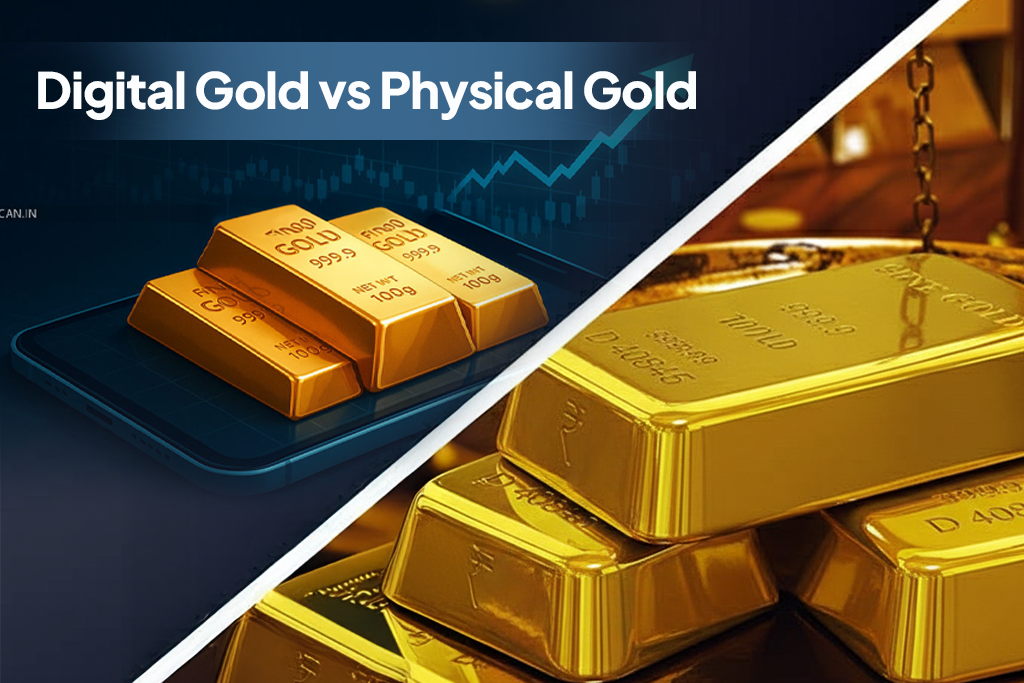
Digital gold has transformed gold investing in India, from a bulky, storage-heavy commitment to a tap-and-buy experience starting at ₹1. But the advantages of digital gold come with real trade-offs. This guide covers every benefit and risk, a side-by-side comparison, and who should actually invest.
Quick Answer: Digital gold lets you buy 24K gold from ₹1, stored in insured vaults with no making charges. Key advantages: zero storage risk, high liquidity, and guaranteed purity. Key disadvantages: 3% GST on every purchase, unregulated by SEBI, and a buy-sell spread that creates an immediate cost.
What Is Digital Gold? How Does It Work in India?
Digital gold is 24K physical gold (99.9% purity) purchased online and stored in insured, third-party vaults by certified custodians, primarily MMTC-PAMP and SafeGold. When you buy, the equivalent weight in real gold is allocated in your name in a secure vault. You can sell at live market prices anytime or request physical delivery as hallmarked coins or bars.
How it works: Select amount (₹ or grams) → Purchase at live price → Gold stored in insured vault → Track in real time → Sell or redeem anytime. Available on platforms including FatakPay, Google Pay, PhonePe, and others.
Key Advantages of Digital Gold Investment
Here’s a detailed breakdown of every digital gold benefits:
1. Guaranteed 24K Purity, Every Time
One of the clearest advantages of digital gold is that purity is never in question, every gram is certified 99.9% pure by the custodian. Physical gold purity varies by seller and form (jewellery is typically 22K); with digital gold, there are no hallmark checks or trust issues. You get what you pay for, every time.
2. No Storage Risk or Locker Charges
Digital gold eliminates the storage problem entirely, your gold sits in insured, audited vaults managed by professional custodians. No home locker, no bank safe deposit box, no insurance premium, no theft risk. This is one of the most practical advantages of digital gold for urban investors who lack secure storage facilities.
3. Start from ₹1, True Fractional Ownership
The benefits of buying digital gold include genuine accessibility, you can invest ₹10, ₹50, or ₹500 with the same 24K purity guarantee as a ₹1 Lakh purchase. This makes it ideal for building a gold corpus through small, regular investments, similar to a recurring deposit, but in gold.
4. High Liquidity, Sell Anytime at Live Prices
Among the benefits of investing in digital gold, instant liquidity stands out. You can sell any quantity at the prevailing gold market price, 24×7, without visiting a jeweller or negotiating on value. Physical gold resale often involves deductions; digital gold sells at market rate directly.
5. No Making Charges
Physical gold jewellery carries making charges of 10–25% that are lost entirely at resale. Digital gold investment benefits include zero making charges, 100% of your money buys actual gold, not craftsmanship. This alone makes digital gold significantly more cost-efficient than jewellery for pure investment purposes.
6. Physical Redemption Available
It includes an exit route many investors overlook, converting your holdings to physical gold coins or bars. Platforms backed by MMTC-PAMP and SafeGold allow redemption above a minimum weight threshold, with hallmarked gold delivered to your address.
7. SIP-Style Systematic Gold Investing
The benefits of digital gold for disciplined investors include the ability to set up recurring purchases, weekly or monthly, building a gold corpus systematically without lump-sum timing pressure. Gold SIPs on platforms like FatakPay average out the purchase price over time, reducing volatility risk.
8. Transparent, Real-Time Pricing
Digital gold offers live market price tracking, you know exactly what your holding is worth at any moment. No opacity, no jeweller’s discretion, no resale negotiation.
Disadvantages of Digital Gold You Must Know
The disadvantages of digital gold are equally important to understand before investing. Here are the key risks every investor must factor in:
1. Not Regulated by SEBI or RBI, The Biggest Risk
The most significant of all digital gold disadvantages is the absence of statutory regulation. SEBI issued a formal caution in November 2025 that digital gold products are not classified as securities or commodity derivatives. investors have no SEBI protection mechanism. Your security depends entirely on platform credibility and custodian solvency. This is a counterparty risk that Gold ETFs and Sovereign Gold Bonds do not carry.
2. 3% GST Creates an Immediate Cost Drag
One of the most underappreciated disadvantages of digital gold is the 3% GST applied at every purchase, before any price movement works in your favour. On a ₹10,000 purchase you pay ₹300 in tax from Day 1. For digital gold to be profitable, the gold price must first rise enough to cover this entry cost plus the buy-sell spread.
3. Buy-Sell Spread Reduces Effective Returns
The price at which you buy digital gold is always higher than the price at which you sell it, this spread (typically 2–3%) is how platforms monetise the product. Combined with the 3% GST, a new investment must generate 5–6% just to break even.
4. No Interest, No Dividends; Price Appreciation Only
A significant disadvantage of digital gold is that it generates no passive income. Unlike Sovereign Gold Bonds (which pay 2.5% annual interest) or fixed deposits, digital gold’s returns are entirely dependent on gold price appreciation. If gold prices stagnate, your investment stagnates too.
5. Storage Fees After Free Period
Most custodians offer free vault storage for 3–5 years, after which nominal annual storage fees apply, another cost that erodes returns for long-term holders. Gold ETFs carry a lower expense ratio with no storage fee structure.
6. Capital Gains Tax Applies
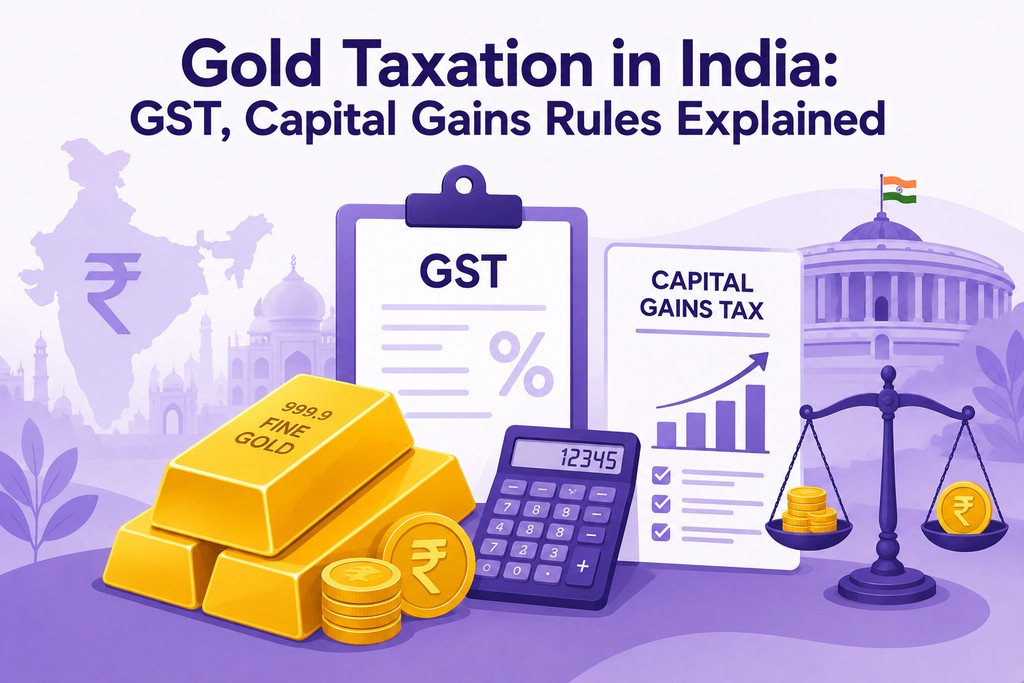
Profits from digital gold held for more than 24 months are taxed as Long-Term Capital Gains (LTCG) at 12.5% without indexation (post-Budget 2024). Short-term gains are added to your income and taxed at your applicable slab rate. This is identical to physical gold taxation but is worth factoring into return projections.
Digital Gold vs Gold ETF vs Physical Gold
Comparison Table
| Feature | Digital Gold | Gold ETF | Physical Gold |
| Minimum Investment | ₹1 | ~₹50 (1 unit) | ₹5,000+ |
| Purity | 24K (99.9%) | Tracks 99.5% | 22K–24K (verify hallmark) |
| SEBI Regulated | ❌ No | ✅ Yes | ❌ No |
| Storage | Insured vault (free 3–5 yrs) | Demat account | Self-managed / bank locker |
| Liquidity | 24×7, instant | Market hours only | Jeweller-dependent |
| GST on Purchase | 3% | None | 3% + making charges |
| Additional Returns | None | None | None |
| Physical Delivery | Yes (above threshold) | No | Already physical |
| Best For | Flexible SIP investors | Long-term regulated investing | Utility / gifting / pledging |
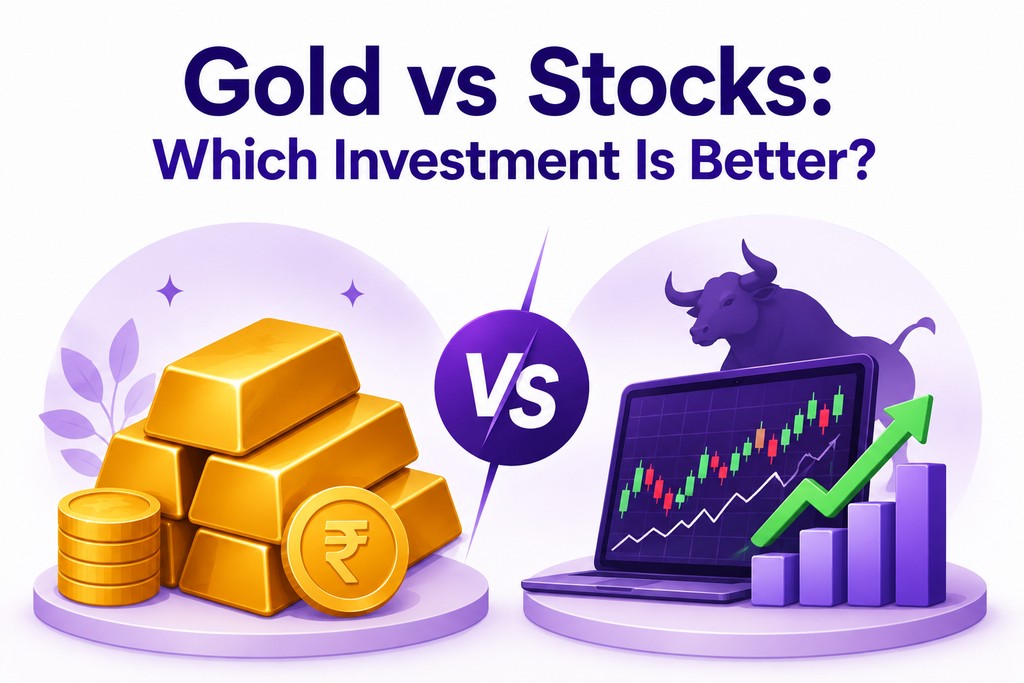
For pure long-term investment, Sovereign Gold Bonds (SGBs) offer 2.5% p.a. interest and tax-free LTCG at maturity, making them the most return-efficient gold instrument in India. Digital gold is best for short-to-medium-term accumulation and flexible, small-ticket investing.
Who Should Invest in Digital Gold?
The advantages of gold investment through digital means are most relevant for these investor profiles:
- First-time investors who want gold exposure without large upfront sums or purity concerns
- Salaried earners building a systematic gold corpus through monthly SIP-style purchases
- Goal-oriented savers accumulating gold for a wedding, festival, or financial milestone 1–3 years away
- Investors with no demat account who cannot access Gold ETFs but want regulated gold price exposure
- Short-to-medium term holders who value instant liquidity over SGBs’ 8-year lock-in
Tips to Safely Invest in Digital Gold
Maximise the benefits of gold investment while managing the risks:
- Choose platforms backed by MMTC-PAMP or SafeGold; verify the custodian before you invest; platform credibility is your only protection given the lack of SEBI regulation
- Check storage fee terms upfront; know exactly when fees kick in and how much they cost per year
- Factor in the 3% GST and buy-sell spread; before projecting returns, your effective entry price is 5–6% above spot
- Don’t hold indefinitely; for horizons beyond 5 years, Sovereign Gold Bonds are a more return-efficient vehicle
- Redeem below the maximum allowed per platform to avoid unexpected redemption delays or minimum thresholds
- Treat digital gold as one component of a diversified portfolio, not a standalone wealth-building strategy
FAQs on Digital Gold Investment Pros and Cons
Is Digital Gold a Good Investment in 2026?
Digital gold remains a solid short-to-medium-term investment in 2026, offering guaranteed 24K purity, instant liquidity, and low entry thresholds. However, the disadvantages of digital gold, 3% GST, buy-sell spread, SEBI non-regulation, make it less efficient than Gold ETFs or SGBs for long-term, large-corpus investing. Use it for flexible accumulation; switch to SGBs for 5+ year horizons.
What Is the Main Risk of Investing in Digital Gold?
The primary disadvantage of digital gold is the absence of SEBI or RBI regulation. SEBI formally cautioned in November 2025 that digital gold is not classified as a security or commodity derivative, there is no statutory investor protection. If your platform or custodian faces financial difficulty, recovery relies on legal processes rather than a regulatory protection fund.
Is Digital Gold Better Than SGB (Sovereign Gold Bond)?
For long-term investors (5+ years), SGBs are superior, they offer gold price appreciation plus 2.5% annual interest and tax-free LTCG at maturity. For short-to-medium-term investors or those who need flexibility and instant liquidity, the advantages of digital gold, no lock-in, 24×7 trading, ₹10 minimum, make it the more practical choice.
Does Digital Gold Earn Interest or Returns?
No. Digital gold generates no interest, dividends, or passive income. Returns come solely from gold price appreciation. This is one of the key disadvantages of digital gold compared to Sovereign Gold Bonds (2.5% p.a.) or fixed deposits. If gold prices remain flat or fall, your investment value stagnates or declines accordingly.
Can I Lose Money in Digital Gold Investment?
Yes. If gold prices fall, the value of your holding falls proportionally. Additionally, the 3% GST and buy-sell spread mean you are already slightly underwater from the moment of purchase, gold prices must rise to cover these entry costs before you profit. Short-term traders and investors who panic-sell during price dips are most exposed to losses.
| Instant Loans by Amount | |||
|---|---|---|---|
| ₹1500 Instant Loan | ₹2500 Instant Loan | ₹5000 Instant Loan | ₹10000 Instant Loan |
| ₹12500 Instant Loan | ₹15000 Instant Loan | ₹17500 Instant Loan | ₹20000 Instant Loan |