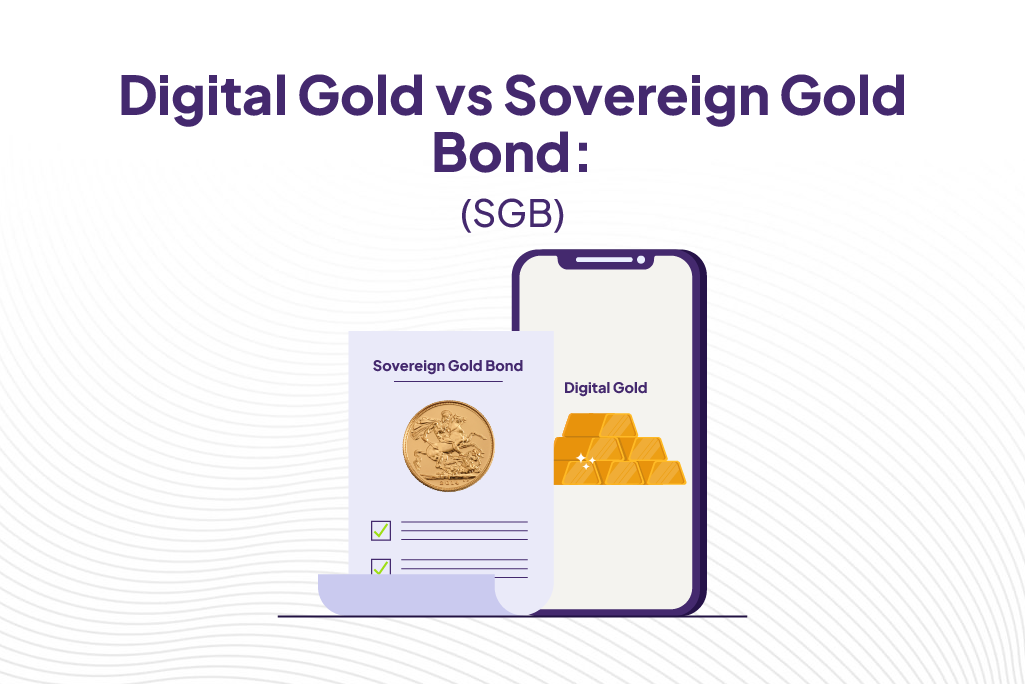
Gold remains one of the most popular investment options for Indian investors, serving as a traditional store of value and a hedge against inflation and economic uncertainty. While physical gold in the form of jewellery, coins, and bars has historically been the preferred choice, advancements in financial technology and government-backed investment products have transformed the way people gain exposure to gold. Today, investors can choose between Digital Gold and Sovereign Gold Bonds (SGBs), both of which offer the benefits of gold ownership without many of the challenges associated with storing and securing physical gold. Each option comes with its own advantages, risks, costs, and tax implications. Understanding how these investment avenues work, along with their differences in liquidity, returns, regulation, and suitability for various financial goals, can help you make a more informed decision and select the option that best aligns with your investment objectives in 2026.
What Is Digital Gold?
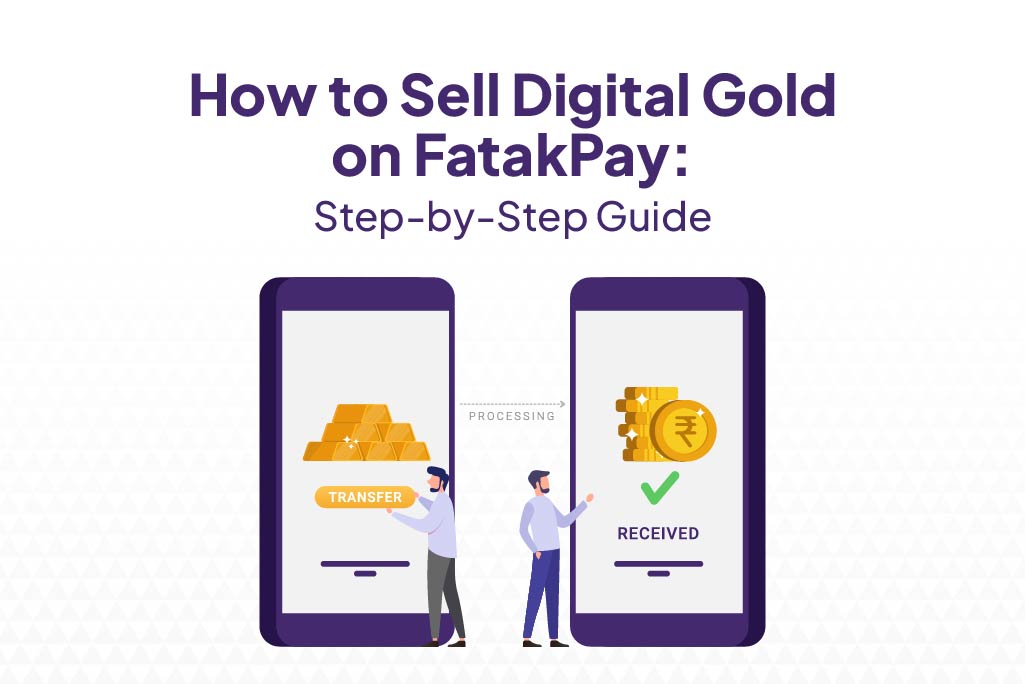
Digital Gold allows investors to buy 24K gold online starting from as little as ₹10, making it one of the most accessible ways to gain exposure to gold without purchasing physical jewellery or coins. Investors can buy, sell, or accumulate gold through mobile apps and online platforms at any time, often with just a few clicks. The gold purchased is backed by physical gold and stored in secure, insured vaults by the service provider on behalf of the investor, eliminating concerns related to storage, theft, or purity verification. Another major advantage is its high liquidity, as investors can typically sell their holdings instantly through the same platform and receive the proceeds quickly. Digital Gold also allows investors to invest small amounts regularly, making it suitable for those who want to build a gold portfolio gradually. However, investors should be aware that Digital Gold is not directly regulated by the Reserve Bank of India (RBI) or the Securities and Exchange Board of India (SEBI), which means it does not offer the same level of regulatory oversight as some other gold investment products. Additionally, purchases attract 3% GST, increasing the initial cost of investment. Investors should carefully evaluate the platform’s credibility, storage arrangements, and the advantages and disadvantages of digital gold investment before investing.
What Is a Sovereign Gold Bond (SGB)?
A Sovereign Gold Bond (SGB) is a government security issued by the RBI on behalf of the Government of India and denominated in grams of gold. Investors earn a fixed 2.5% annual interest in addition to potential gold price appreciation. SGBs have an 8-year tenure with an exit option after 5 years, and capital gains are exempt from tax if held until maturity. Investors generally require a Demat account to trade SGBs on the secondary market.
Digital Gold vs SGB — Comparison Table
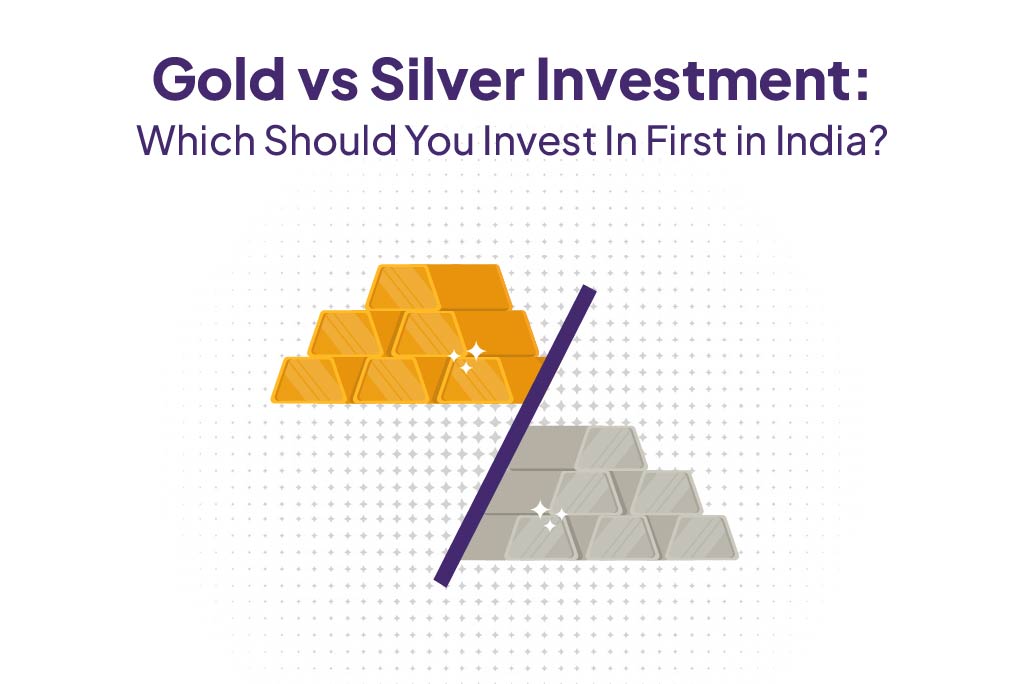
The debate around digital gold vs sovereign gold bond often comes down to liquidity, taxation, and investment horizon. The table below highlights the major differences.
| Feature | Digital Gold | Sovereign Gold Bond (SGB) |
| Regulator | Unregulated (No SEBI/RBI oversight) | RBI / Government of India |
| Interest | None | 2.5% p.a. (Taxable) |
| Minimum Investment | ₹10 | 1 gram (approximately ₹9,000+) |
| Liquidity | Instant sell on platform | Secondary market (often thin liquidity) |
| Tenure | No lock-in | 8 years (exit after 5 years) |
| GST on Purchase | 3% GST applicable | No GST |
| Capital Gains Tax | LTCG applicable after holding period | Exempt if held to maturity |
| New Issuance | Available anytime | New issuances discontinued; secondary market only |
| Demat Account | Not required | Required for secondary market trading |
When comparing digital gold vs SGB, investors should remember that Digital Gold prioritizes convenience and accessibility, while SGBs focus on long-term wealth creation and tax efficiency. The difference between digital gold and sovereign gold bond becomes especially important for investors evaluating returns over longer holding periods.
Which Is Better? A Goal-Based Recommendation
- Choose Digital Gold if you want instant liquidity and the ability to start investing with very small amounts.
- Choose Digital Gold if you do not have a Demat account and prefer simple online transactions.
- Choose Digital Gold if you may need to access your money quickly without long holding periods.
- Choose SGB through the secondary market if you already have a Demat account and can hold investments for 5–8 years.
- Choose SGB if you want fixed annual interest income in addition to potential gold price appreciation.
- Choose SGB if tax efficiency is a priority because maturity proceeds are exempt from capital gains tax.
Investors comparing gold with other asset classes may also explore digital gold vs mutual funds to understand how gold investments differ from equity-oriented wealth creation options.
In 2026, investors comparing sovereign gold bond vs digital gold should also evaluate the premium or discount at which SGBs trade in the secondary market. Sometimes, these pricing differences can significantly affect overall returns.
Conclusion
Both Digital Gold and Sovereign Gold Bonds provide exposure to gold without the challenges of physical storage. The choice between SGB vs digital gold ultimately depends on your investment horizon, liquidity needs, and tax considerations. If flexibility and accessibility matter most, Digital Gold may be suitable. Investors can even invest in digital gold from ₹10 through supported platforms and start building exposure to gold with minimal capital. If you are investing for the long term and want additional interest income with tax benefits, SGBs may offer a stronger value proposition.
FAQs on Digital Gold vs SGB
Is digital gold or SGB a better investment in 2026?
For long-term investors seeking tax benefits and interest income, SGBs are often considered more attractive. For investors prioritizing liquidity and small-ticket investments, Digital Gold may be more suitable.
Are SGBs still being issued in 2026?
New SGB issuances have been discontinued. Investors can generally buy existing SGBs through the secondary market, subject to availability.
Does digital gold earn interest like SGB?
No. Digital Gold does not provide any interest income. SGBs offer a fixed annual interest rate of 2.5% on the invested amount.
Can I buy SGB without a Demat account?
Yes, SGBs can be purchased without a Demat account in some cases, but a Demat account is generally required for convenient secondary market trading.
Which has better tax treatment: digital gold or SGB?
SGBs generally have a tax advantage because capital gains are exempt if the bonds are held until maturity. This is one of the key differences between digital gold and SGB that investors should consider before making a decision.
| Instant Loans by Amount | |||
|---|---|---|---|
| ₹1500 Instant Loan | ₹2500 Instant Loan | ₹5000 Instant Loan | ₹10000 Instant Loan |
| ₹12500 Instant Loan | ₹15000 Instant Loan | ₹17500 Instant Loan | ₹20000 Instant Loan |