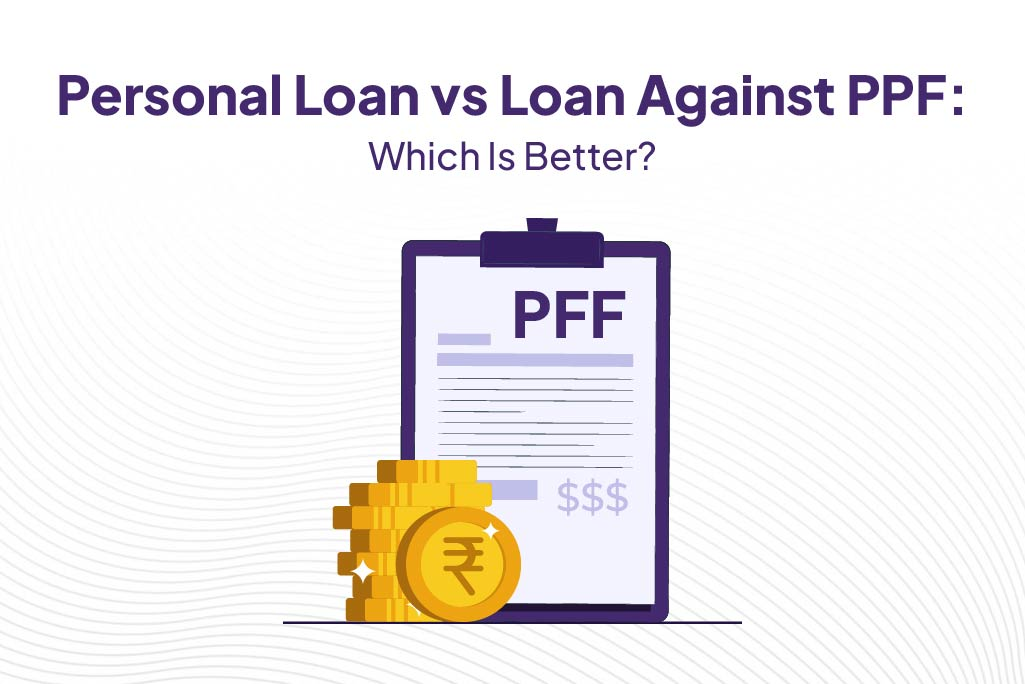
A loan against your Public Provident Fund (PPF) is usually the cheaper borrowing option as it carries interest at just 1 percentage point above the prevailing PPF interest rate. However, it is available only during a limited window and for a restricted amount. A personal loan costs more but offers higher loan amounts and quicker access to funds.
Choosing between a personal loan and a loan against PPF comes down to your borrowing needs. If keeping interest costs low is your priority and your PPF account is eligible, a loan against PPF can be a smart choice. But if you need a larger amount or funds at short notice, a personal loan offers greater flexibility. Understanding the difference between a personal loan and a loan against PPF can help you make a more informed financial decision.
What is a loan against PPF?
A loan against PPF lets you borrow money by using the balance in your PPF account as security, without withdrawing your savings. It is available only from the 3rd financial year through the end of the 6th financial year after opening the account.
The maximum loan amount is 25% of the balance at the end of the second financial year immediately preceding the year you apply. Once repaid, your PPF investment continues to support your long-term savings goals.
What is a personal loan?
A personal loan is an unsecured loan that lets you borrow money without pledging any assets as collateral. You can use it for almost any legitimate purpose, such as medical expenses, education, home renovation, travel or debt consolidation. The amount you can borrow depends on your income, employment, repayment capacity and credit score.
Personal Loan vs Loan Against PPF
When comparing a loan against PPF vs a personal loan, the biggest differences come down to borrowing limit, eligibility conditions, cost and speed of access.
| Factor | Personal Loan | Loan Against PPF |
| Security | Unsecured; no collateral required | Secured against your PPF balance |
| Loan amount | Based on your eligibility and repayment capacity; generally much higher | Up to 25% of the eligible PPF balance |
| Eligibility | Based on income, employment, repayment capacity and credit profile | Available only during the 3rd to 6th financial year of the PPF account |
| Interest rate | Typically 10% to 24% per annum, depending on lender and borrower profile | About 1% above the prevailing PPF interest rate |
| Repayment tenure | Usually 12 to 60 months, depending on the lender | Shorter repayment period prescribed under PPF rules |
| Processing speed | Often approved and disbursed within hours by digital lenders | Depends on the bank or post office servicing the account |
| Best suited for | Larger or urgent funding needs | Smaller borrowing needs at a lower cost |
The right option depends on your borrowing requirement and eligibility. Here’s when each one is likely to be the better fit.
When Should You Choose a Loan Against PPF?
A loan against PPF and a personal loan serve different purposes. A loan against PPF is most suitable when you qualify for it and when keeping borrowing costs low is more important than accessing a large amount. It works well in situations such as:
- Covering a planned expense, such as education fees or home repairs
- Managing a temporary cash shortfall without dipping into your long-term savings
- Borrowing a modest amount that falls within the permitted PPF limit
- Avoiding the higher interest rates typically associated with unsecured loans
When Should You Choose a Personal Loan?
A personal loan is better suited to situations where speed, flexibility or a higher loan amount matters more than borrowing at the lowest possible cost. Consider it if you’re:
- Meeting an unexpected medical or family emergency
- Funding a major expense that exceeds your PPF loan limit
- Looking for flexible repayment options over several years
- Unable to take a PPF loan because your account isn’t within the eligible period
If your funding need exceeds what your PPF can offer, a personal loan can help bridge the gap without waiting for your investments to become eligible.
Conclusion
The right borrowing option between a personal loan and a loan against PPF depends on your situation rather than on the interest rate alone. If your PPF account qualifies and you need only a modest amount, borrowing against it can keep your financing costs low. But if you need a larger loan or quicker access to funds, a personal loan may be the more practical solution.
If you are looking for a convenient way to borrow, FatakPay offers eligible users a simple online application process for personal loans with just PAN and Aadhaar, making it easier to access funds when you need them.
Frequently Asked Questions
Is a loan against PPF cheaper than a personal loan?
Yes, in most cases. A loan against PPF carries an interest rate of 1% above the prevailing PPF rate, making it significantly cheaper than most personal loans. However, it is available only if your PPF account falls within the eligible period and the amount you need is within the permitted borrowing limit.
How much can I borrow against my PPF?
You can borrow up to 25% of the balance standing in your PPF account at the end of the second financial year immediately preceding the year you apply. The exact amount depends on your eligible PPF balance and the rules under the Public Provident Fund Scheme.
When can I take a loan against my PPF account?
A loan against PPF is available only from the 3rd financial year through the end of the 6th financial year after opening your account. After this period, loans aren’t permitted, though you may become eligible for partial withdrawals subject to the applicable PPF rules.
Which is better for an urgent, large funding requirement: a personal loan or a loan against PPF?
A personal loan is generally the better choice if you need money urgently or require a larger amount. Since it isn’t linked to your PPF balance, how much you can borrow depends on your overall eligibility, and many lenders offer quick digital approvals and disbursals.
Does taking a loan against PPF affect my PPF returns?
No. A loan against PPF doesn’t reduce your account balance, since you’re borrowing against it rather than withdrawing your savings. Your eligible PPF balance continues to earn interest according to the scheme rules, provided you comply with the loan’s repayment terms.
Related Posts
| Personal Loans by City | ||||
|---|---|---|---|---|
| Personal Loan Bengaluru | Personal Loan Thane | Personal Loan Mumbai | Personal Loan Hyderabad | |
| Personal Loan Pune | Personal Loan Surat | Personal Loan Coimbatore | Personal Loan Delhi | |
| Personal Loans by Amount | ₹60,000 Personal Loan | ₹3 Lakh Personal Loan | ₹5 Lakh Personal Loan |
|---|
Explore our latest Personal Loan blogs for expert insights, financial tips, and guidance to help you make informed borrowing decisions.